

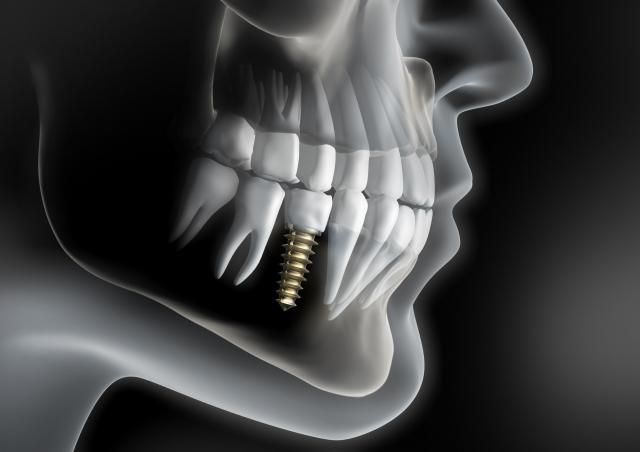
Dental implants have revolutionized modern dentistry by providing a durable and aesthetically pleasing solution for missing teeth. Unlike traditional dentures or bridges, dental implants are designed to mimic the natural structure of a tooth, offering a permanent and stable replacement. This article delves into the intricacies of dental implant systems, exploring their components, benefits, procedure, and maintenance.
What is a Dental Implant?
A dental implant is a titanium post that is surgically placed into the jawbone beneath the gum line. This post serves as a replacement for the root of a missing tooth and provides a strong foundation for a crown, bridge, or denture. Over time, the implant fuses with the jawbone in a process called osseointegration, ensuring stability and support for the artificial tooth.
Components of a Dental Implant System
- Implant Fixture: This is the titanium screw that is embedded into the jawbone. It acts as the root of the artificial tooth.
- Abutment: A connector placed on top of the implant fixture. It serves as a base for the crown.
- Crown: The visible part of the tooth, usually made of ceramic or porcelain, designed to match the natural teeth in color and shape.
Types of Dental Implants
- Endosteal Implants: The most common type, these implants are placed directly into the jawbone. They are typically shaped like small screws, cylinders, or plates.
- Subperiosteal Implants: These are placed under the gum but above the jawbone. They are used for patients who do not have enough healthy jawbone and cannot or do not want to undergo a bone augmentation procedure.
The Dental Implant Procedure
- Initial Consultation and Planning: The process begins with a comprehensive dental examination, including X-rays and 3D imaging, to assess the health of the jawbone and plan the implant placement.
- Bone Grafting (if needed): If the jawbone is not thick enough or is too soft, a bone graft may be required. This ensures that the implant has a solid foundation.
- Implant Placement: During the surgical procedure, the implant fixture is inserted into the jawbone. This is followed by a healing period of several months, during which osseointegration occurs.
- Abutment Placement: Once the implant has fused with the jawbone, an abutment is attached to the implant. This requires a minor surgical procedure.
- Crown Placement: After the gums have healed, a custom-made crown is attached to the abutment, completing the process.
Advantages of Dental Implants
- Durability: With proper care, dental implants can last a lifetime, making them a cost-effective long-term solution.
- Aesthetic Appeal: Implants are designed to look and feel like natural teeth, enhancing the patient's smile and confidence.
- Improved Oral Health: Unlike traditional bridges, implants do not require the reduction of adjacent teeth. This helps preserve natural tooth structure.
- Bone Preservation: Implants help prevent bone loss that occurs when teeth are missing, maintaining the integrity of the jawbone.
- Enhanced Functionality: Dental implants restore full chewing power, allowing patients to eat their favorite foods without restrictions.
Risks and Considerations
- Surgical Risks: As with any surgery, there are risks such as infection, nerve damage, and sinus problems.
- Osseointegration Failure: In rare cases, the implant may not fuse with the jawbone, requiring removal and replacement.
- Cost: Dental implants can be more expensive than other tooth replacement options, but their longevity can offset the initial investment.
Maintenance and Care
- Oral Hygiene: Maintaining excellent oral hygiene is crucial. This includes brushing, flossing, and regular dental check-ups.
- Avoiding Harmful Habits: Habits like smoking can impede the healing process and increase the risk of implant failure.
- Regular Monitoring: Regular visits to the dentist ensure that the implants and surrounding teeth are healthy and functioning properly.
Conclusion
Dental implant systems offer a robust and reliable solution for missing teeth, with numerous benefits that extend beyond aesthetics. By understanding the components, procedure, and care involved, patients can make informed decisions and enjoy the lasting advantages of dental implants. Whether you're considering a single tooth replacement or a full-mouth restoration, dental implants can significantly enhance your quality of life and oral health.